
Blog
Pioneers in Personalized Women's & Fertility Care
How to Take Control Over PCOS: A Complete Guide
Polycystic Ovary Syndrome (PCOS) is one of the most common hormonal disorders affecting women of reproductive age. It not only impacts menstrual cycles and fertility but also affects overall health. PCOS is now understood as a chronic inflammatory condition, where the body experiences low-grade inflammation, insulin resistance, and hormonal imbalance. At Krishvi Women’s Hospital and IVF Centre, we focus on a holistic and evidence-based approach to help women take control of PCOS and improve fertility outcomes.
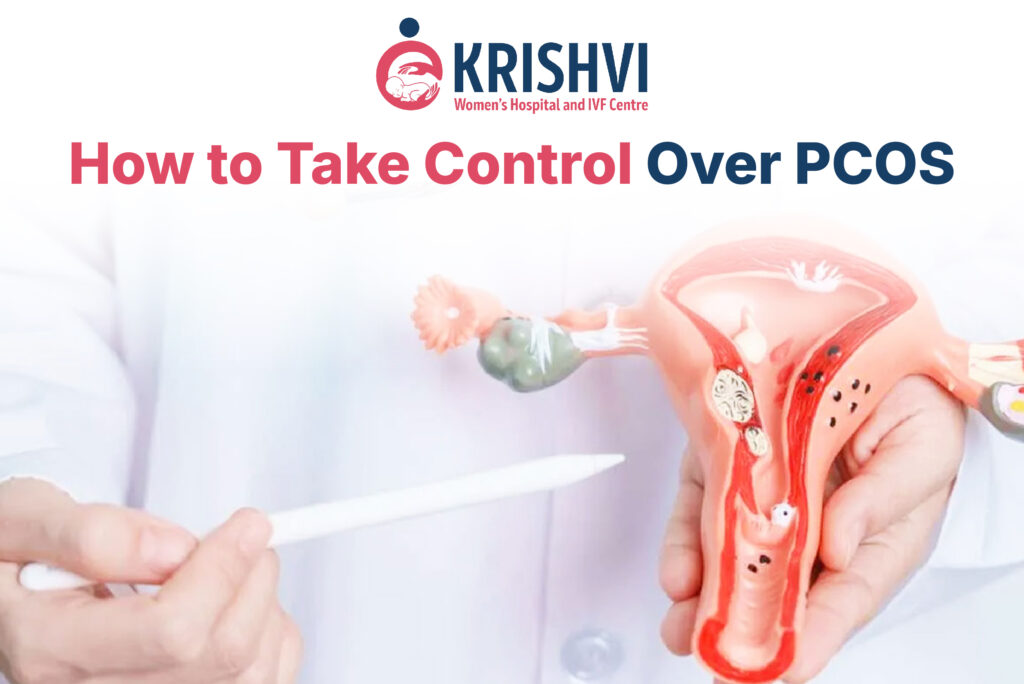
Understanding PCOS as an Inflammatory Condition
PCOS is not just a hormonal issue—it is strongly linked to chronic inflammation and insulin resistance. This inflammation affects ovarian function, leading to irregular ovulation, weight gain, acne, and difficulty in conceiving. Therefore, the main goal of PCOS management is to reduce inflammation and improve insulin sensitivity.
How to Take Control Over PCOS
1. Role of Diet in PCOS
Diet plays a crucial role in reducing inflammation and managing insulin resistance.
Recommended Diet:
- Low carbohydrate diet (focus on complex carbs like whole grains, vegetables)
- High protein intake (eggs, dairy, legumes)
- Healthy fats (Omega-3 from nuts, seeds, fish)
Foods to Avoid:
- Simple carbohydrates (sugar, sweets)
- Maida and refined flour products
- Bakery and processed foods
A balanced PCOS-friendly diet helps regulate hormones, reduce weight gain, and improve ovulation.
2. Role of Exercise
Regular exercise is essential in PCOS management.
Benefits:
- Reduces stored body fat
- Improves muscle mass
- Enhances insulin sensitivity
Recommended Activities:
- Brisk walking
- Strength training
- Yoga and light cardio
Consistency is key rather than intensity.
3. Vitamin D
Vitamin D deficiency is commonly seen in women with PCOS. Adequate levels help improve insulin resistance, hormonal balance, and ovulation. Supplementation should be taken only after medical advice.
4. Coenzyme Q10 (CoQ10)
CoQ10 is an antioxidant that helps improve egg quality, supports mitochondrial function, and may reduce inflammation in PCOS patients.
5. Metformin
Metformin is a commonly prescribed medication that improves insulin sensitivity and helps regulate menstrual cycles. It should only be taken under the guidance of a registered medical practitioner.
6. Myo-Inositol and D-Chiro-Inositol
These supplements help improve insulin resistance, regulate ovulation, and support hormonal balance. They are widely used in PCOS management and fertility treatments.
7. Probiotics
Probiotics support gut health, which plays an important role in reducing inflammation and improving metabolic function in PCOS.

PCOS Treatment at Krishvi Women’s Hospital and IVF Centre
At Krishvi Women’s Hospital and IVF Centre, we provide personalized PCOS management plans including lifestyle modification, medical treatment, and advanced fertility solutions like ovulation induction, IUI, and IVF. Our goal is to help women regain control over their health and fertility.
Key Takeaway
PCOS can be effectively managed by reducing inflammation through diet, exercise, and medical support. With the right approach, many women with PCOS can achieve regular cycles and a successful pregnancy.